
BMW Group’s Q3 2026 shows a German luxury carmaker losing ground in China. Deliveries fell 6.3%, China deliveries fell 24.8%, and the automotive EBIT margin dropped to 3.4% from 5.2%. BMW also trimmed its 2026 outlook.
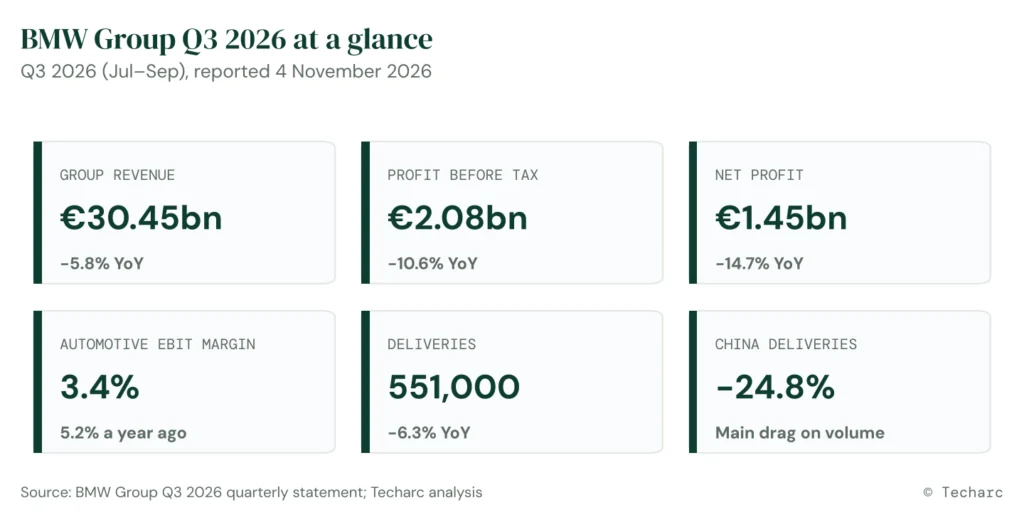
Figure 1: BMW Group Q3 2026 headline metrics.
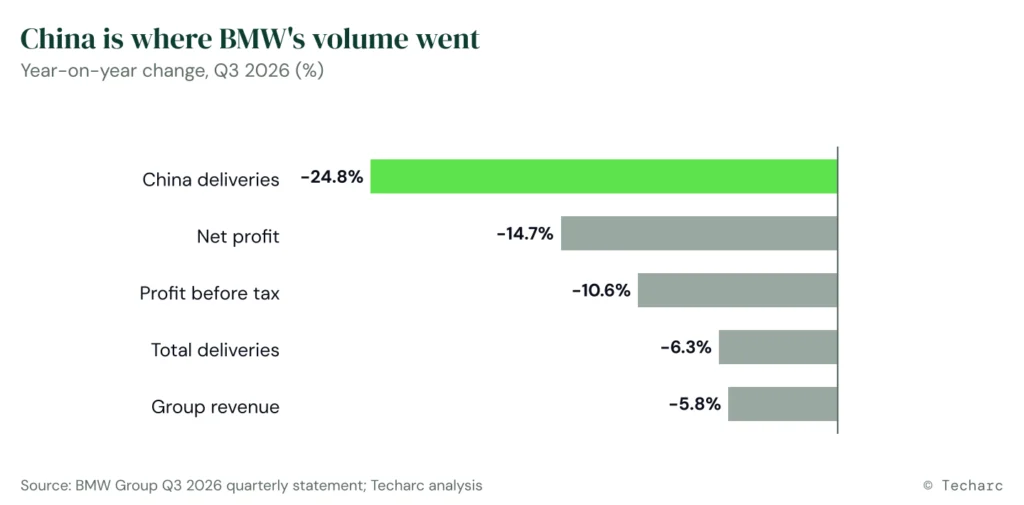
Figure 2: Year-on-year change across volume and profit measures.
What the numbers say
China is the main problem. A quarter fewer deliveries in BMW’s largest single market explains most of the group’s volume decline. Chinese buyers in the luxury segment are moving to local brands that offer more software, larger screens and longer EV range for less money. A German badge alone no longer commands the price it did five years ago.
BMW’s response is the Neue Klasse, a new generation of EVs built on a new electrical architecture, starting with the new iX3. Early demand in Europe has been strong, and electric models now account for around a fifth of deliveries. But the launch costs money now and returns later, which is part of why margins are down.
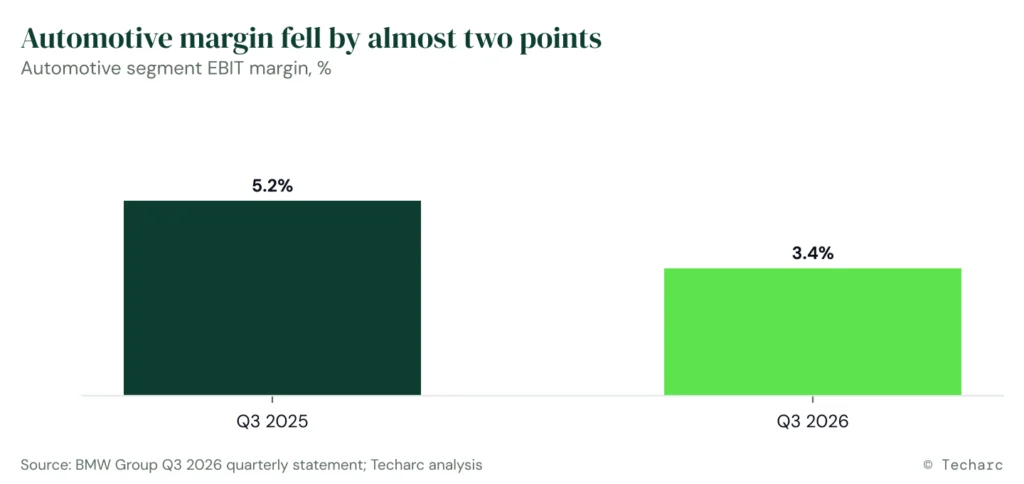
Figure 3: Automotive EBIT margin against the year-ago quarter.
The broader read: the global luxury car industry is losing its most profitable growth market. It needs new ones.
The India angle
India is small for BMW today but becomes more important as China weakens. Luxury cars are only around 1% of India’s passenger vehicle market, far below their share in China or Europe. That gap is the opportunity: India has a fast-growing affluent class, and the luxury share is starting from a low base.
Two policy changes help:
- The India–EU trade agreement. Concluded in January 2026, it will cut India’s import duty on European cars from as high as 110% in stages, within a quota. Lower duties make fully imported models, including EVs that are not assembled locally, much more affordable.
- GST reform. The September 2025 GST changes simplified tax on larger cars, which helped luxury pricing.
BMW already assembles most of its India range in Chennai, so the duty cut matters most for imported EVs and low-volume models. Neue Klasse EVs could reach India faster and cheaper once the cuts take effect.
Techarc view
BMW’s quarter shows why India is moving up the agenda of every European carmaker. China will not return to being the profit engine it was, and India is the only large market where luxury penetration can grow several times over. India will not replace China’s volumes this decade, but it can be the fastest-growing luxury market.
The opportunity has limits. Indian luxury buyers are price-aware, and Chinese brands with strong EVs, such as BYD, are already selling in India. BMW will face in India the same software-and-value challenge it faces in China, only earlier in the market’s development.
What to watch
- The date the India–EU duty cuts take effect, and the quota size for cars
- Neue Klasse launch timing for India
- BMW India’s full-year 2026 sales against 2025
- Whether Mercedes-Benz and Audi respond with price cuts once duties fall
Sources
- BMW Group Q3 2026 quarterly statement: https://www.bmwgroup.com/content/dam/grpw/websites/bmwgroup_com/ir/downloads/en/2026/q3/BMW_Q3-2026-EN.pdf
- Just Auto: BMW Group trims 2026 outlook: https://www.just-auto.com/newsletters/bmw-group-trims-2026-outlook
- Business Standard: India–EU FTA duty cuts could boost luxury car market, says BMW India: https://www.business-standard.com/companies/news/india-eu-fta-duty-cuts-could-boost-luxury-car-market-says-bmw-india-126012600556_1.html
- Business Today: India–EU FTA, cars to get cheaper: https://www.businesstoday.in/india/story/india-eu-fta-bmw-renault-volkswagen-cars-to-get-cheaper-as-tariffs-on-imports-may-drop-from-110-to-40-512842-2026-01-26
