
The Burn Economy Report – Has India’s startup boom spent more than it built?
Since 2014, India’s startups have absorbed about $165 billion of risk capital — close to half the ₹30 lakh crore credit gap that India’s MSMEs still cannot fill. Yet across sixteen of the country’s best-known digital platforms, selling products and services alike, most are still loss-making a decade or more on, and the few that […]
Since 2014, India’s startups have absorbed about $165 billion of risk capital — close to half the ₹30 lakh crore credit gap that India’s MSMEs still cannot fill. Yet across sixteen of the country’s best-known digital platforms, selling products and services alike, most are still loss-making a decade or more on, and the few that have turned profitable have done so on thin margins. This report asks whether that capital produced value in proportion to what it consumed. Five takeaways follow.
Five takeaways
01 Two decades online moved one rupee in ten
After nearly twenty years and tens of billions of dollars, e-commerce is just 7–9% of Indian retail. Only about 30% of internet users shop online, compared with 92% in China. Much of the habit lasts only while someone else pays for the discount.
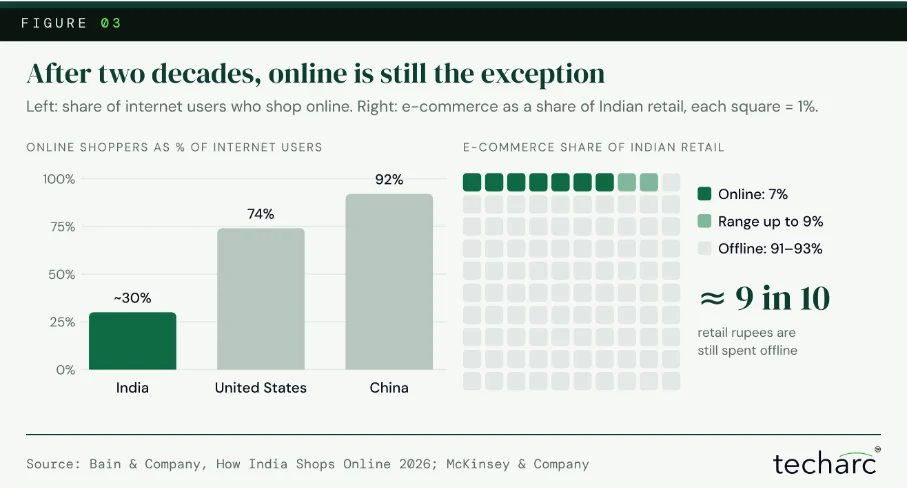
Figure 03 — Roughly nine in ten retail rupees are still spent offline.
02 Profit arrives late, and thin
Where profits come at all, they come after 12–18 years. Blinkit turned EBITDA-positive at 0.6% of order value. Paytm took fifteen years to post a full-year profit. ₹678 crore of OYO’s ₹994 crore FY26 profit is a deferred-tax credit.
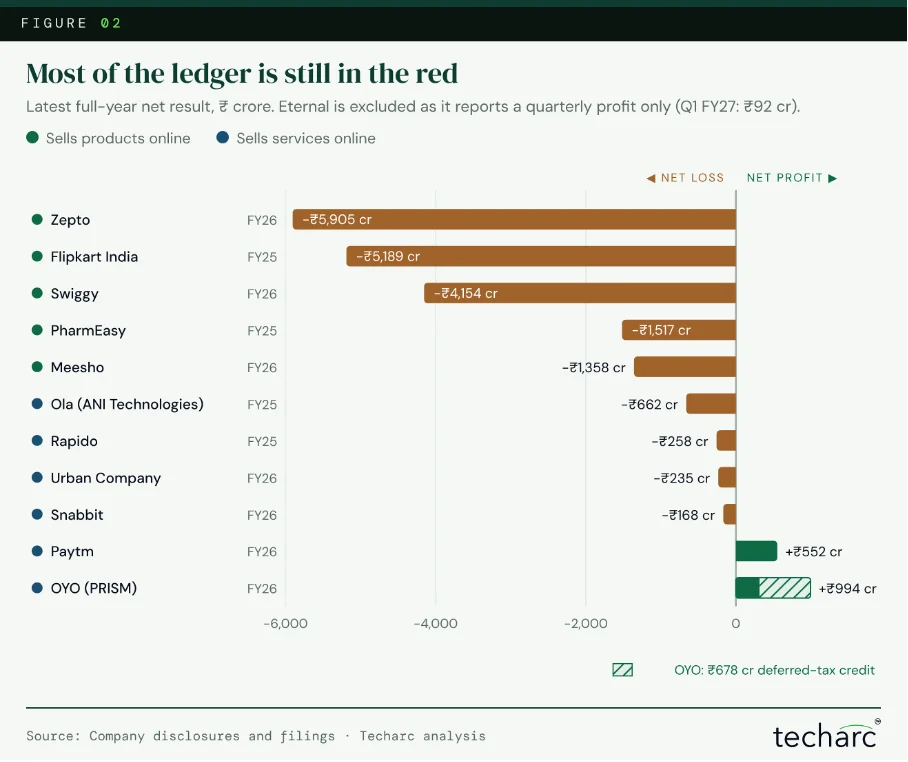
Figure 02 — Nine of eleven platforms with a full-year result are still loss-making.
03 The faster the promise, the deeper the subsidy
Ten-minute groceries and ten-minute house help are burning faster than the older models ever did. Flipkart spends ₹1.06 and Zepto ₹1.28 for every rupee of revenue; Snabbit spends almost ₹16.
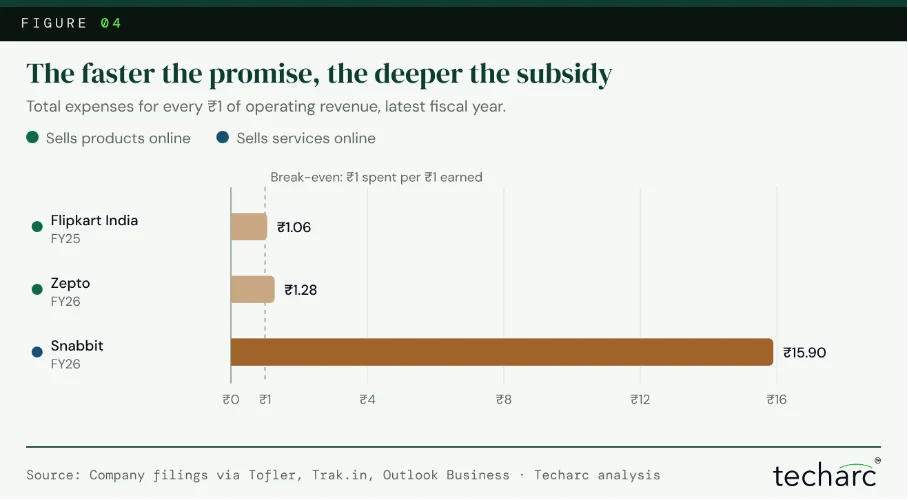
Figure 04 — Total expenses for every ₹1 of operating revenue.
04 Some of the biggest bets simply vanished
Byju’s, Ola, PharmEasy and Dunzo together once carried about $36 billion in value. Today, they are written down to almost nothing or shut down.
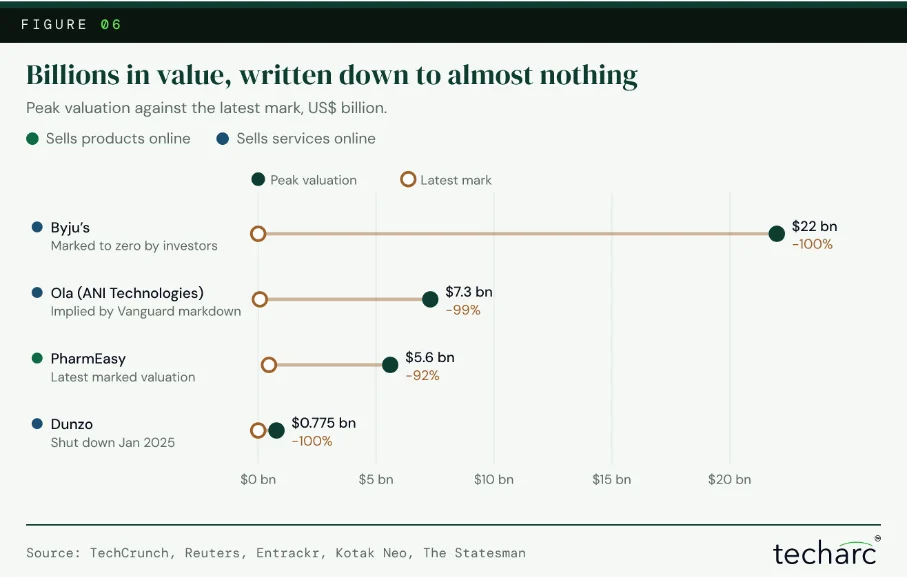
Figure 06 — Peak valuation against the latest mark.
05 The burn does not stay with those who chose it
Losses pass to public investors at listing, to the exchequer through tax shields, and to competitors through subsidised prices. Urban Company swung from a ₹240 crore profit to a ₹235 crore loss while fighting VC-funded rivals in instant home help.
What should change
A blunt time limit on losses would punish the deep-tech sectors India wants to build. Regulation should separate losses that build capacity from losses that subsidise prices, and ask for transparency on the second kind.
Create a free account to download — it takes a moment, and you can come back anytime.
Create a free account to download ↓ I already have an account — sign in