
India has come a long way since independence. Gandhiji did not just introduce the Charkha; he helped unlock a mindset that led us to Swaraj. The OF (optical fibre) and OFC (optical fibre cable) manufacturing facility at HFCL Hyderabad symbolically represents the charkha of Viksit Bharat @ 2047. Mahatma Gandhi’s introduction of the Charkha, or […]
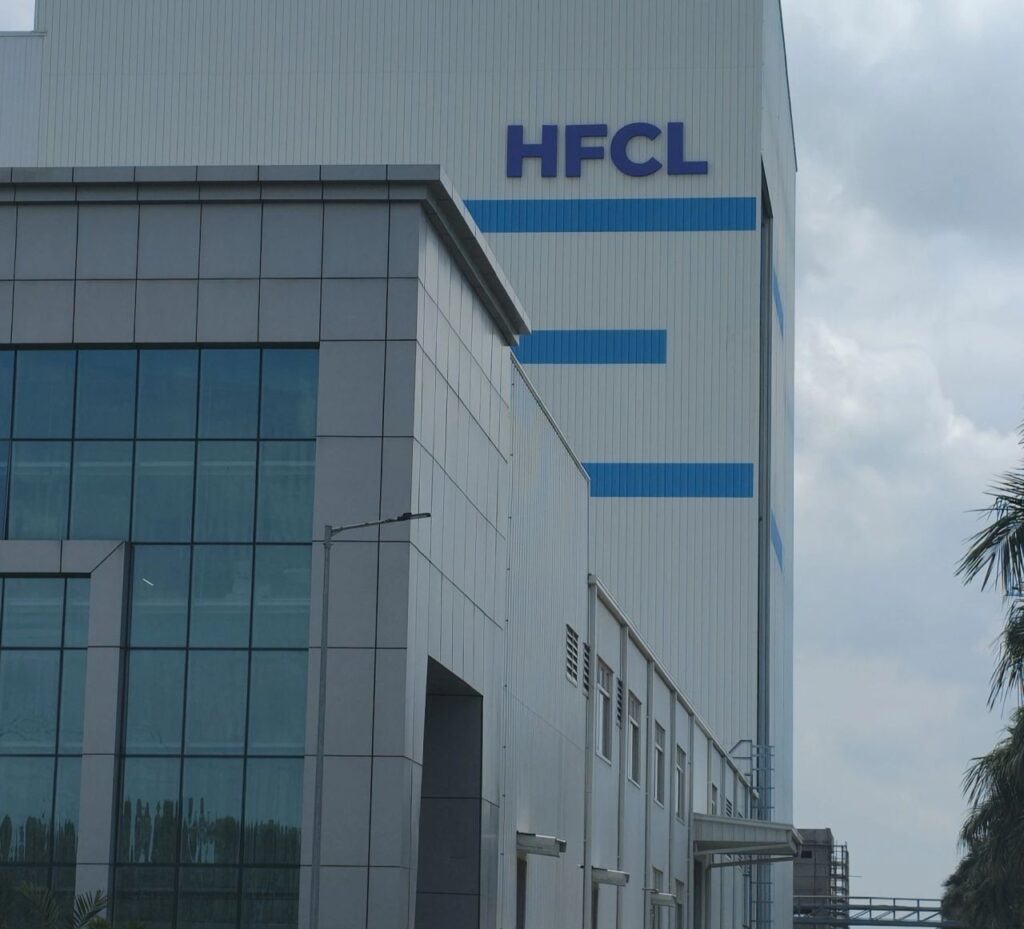
India has come a long way since independence. Gandhiji did not just introduce the Charkha; he helped unlock a mindset that led us to Swaraj. The OF (optical fibre) and OFC (optical fibre cable) manufacturing facility at HFCL Hyderabad symbolically represents the charkha of Viksit Bharat @ 2047.
Mahatma Gandhi’s introduction of the Charkha, or spinning wheel, was no ordinary event in India’s freedom struggle. It was the moment ordinary citizens were empowered and their mindset unlocked to believe they could become self-reliant. Years of British rule had not only starved us of our own resources but had also trapped our thinking into believing we could not do anything on our own.
That is where the Charkha practically demonstrated to, and instilled confidence in, ordinary citizens that we could spin our own wheel of fortune. We began making yarn from kapas (raw cotton), which was eventually woven into khadi. The Charkha had a multidimensional effect on India, shaping its economy, society, and polity alike.
Back then, our needs were basic: roti, kapda, and makaan. The Charkha addressed them directly.
As we usher in the aspirational journey of becoming a developed nation, or Viksit Bharat, our needs have evolved. Our basic needs remain the same, but we now also need technology and its building blocks — ones that serve domestic aspirations while meeting opportunities worldwide.
This is exactly where I saw HFCL’s Hyderabad factory fitting into the story. We have moved from the basic need of textile yarn to optical fibre, which powers the connectivity of modern networks and meets the demands of AI, where fast transfer of voluminous data is essential. The evolution from kapas (raw cotton) to glass (the raw material for optical fibre) is what is needed to make India a developed nation.
The transformation from a developing to a developed nation is only possible when we participate across the entire technology value chain and invest in capabilities within the country. In fibre, HFCL has made significant investments in developing what are undoubtedly futuristic technologies, and it continues to do so. For instance, it has already announced plans to set up glass preform manufacturing in India — a move that will double its domestic value addition to nearly 75-80%.
We cannot, of course, take credit away from STL, another important player that pioneered optical fibre and optical fibre cable manufacturing in India. But HFCL has doubled India’s contribution to the global OF and OFC markets. Together, the two companies have put India on the map as a producer of one of the most critical and emerging technology meta-resources: fibre, the nerves of modern networks.
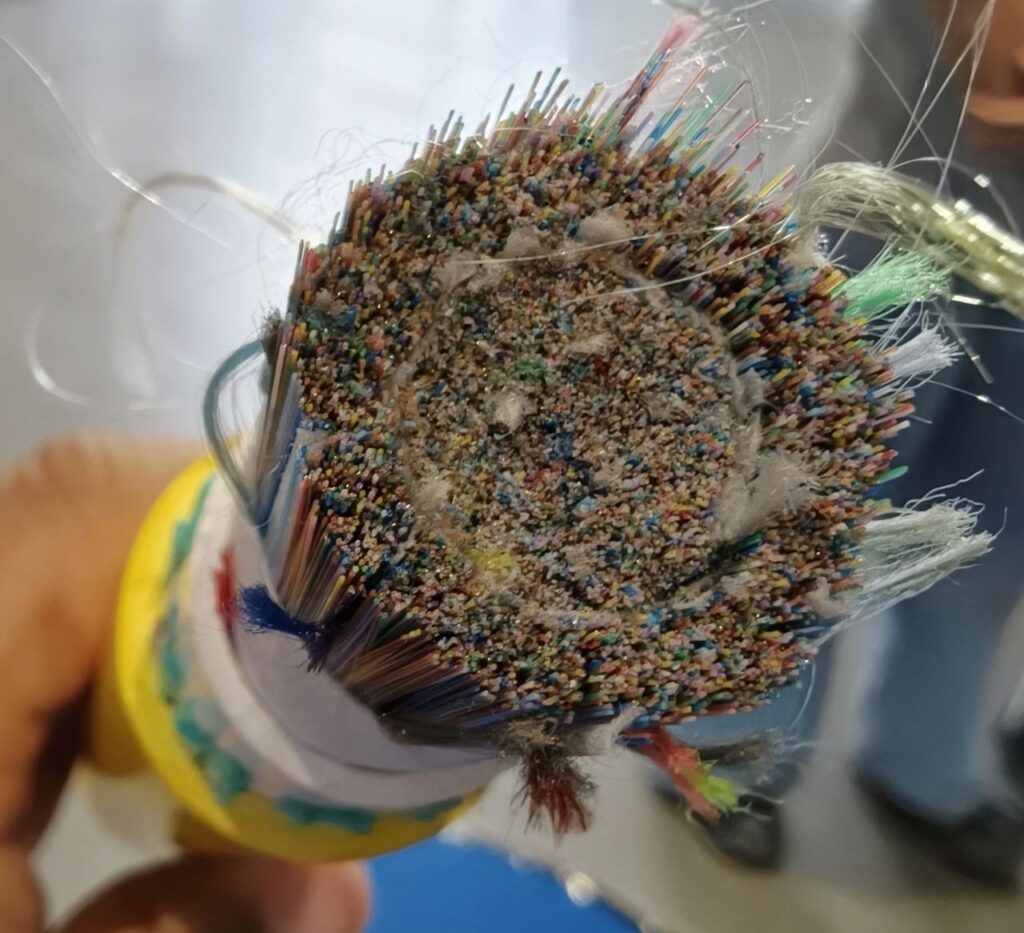
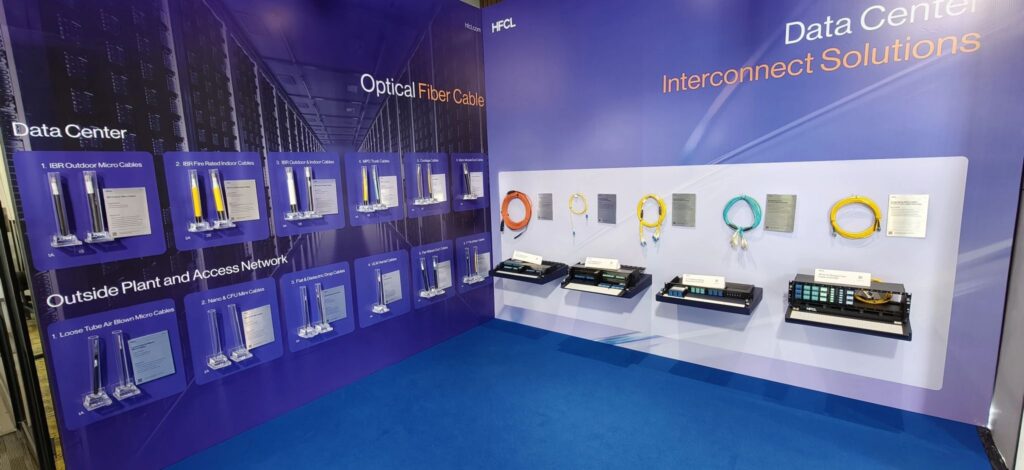
Another striking takeaway for me was that HFCL has not relied on end-of-life (EOL) technologies. Instead, it has invested in the latest generation of plant and equipment, allowing it to serve present needs while preparing for future ones. It already makes fibre connectivity solutions, recently strengthened with the launch of OptiQ AI, a complete framework-based solution for AI data centres and hyperscalers. Very soon, HFCL will offer 13,000 fibre strands in a single cable — a capability only a handful of manufacturers possess globally. This vision, of investing in and producing for the future, is what makes HFCL an important wheel, or chakra, in the journey toward Viksit Bharat @ 2047.
HFCL’s vision is one other Indian technology players should embrace: cater to the present while preparing for the future. That is what will drive sustained growth and build the capacity to invest in R&D and innovation. That is how Indian companies will emerge on the global technology map.

The weekly read on where technology is heading — 75,000+ subscribers across the industry.
Questions about our reports, dashboards, InsightsPro or a custom engagement? Send a note and the team will get back to you.