
Nano Banana is Google’s latest AI-powered image editing feature – the core of the Gemini 2.5 Flash Image model developers.googleblog.com. In plain English, it lets you upload a photo and transform it via conversational prompts. Google calls Nano Banana a “state-of-the-art image generation and editing model” that can “blend multiple images into a single image, […]
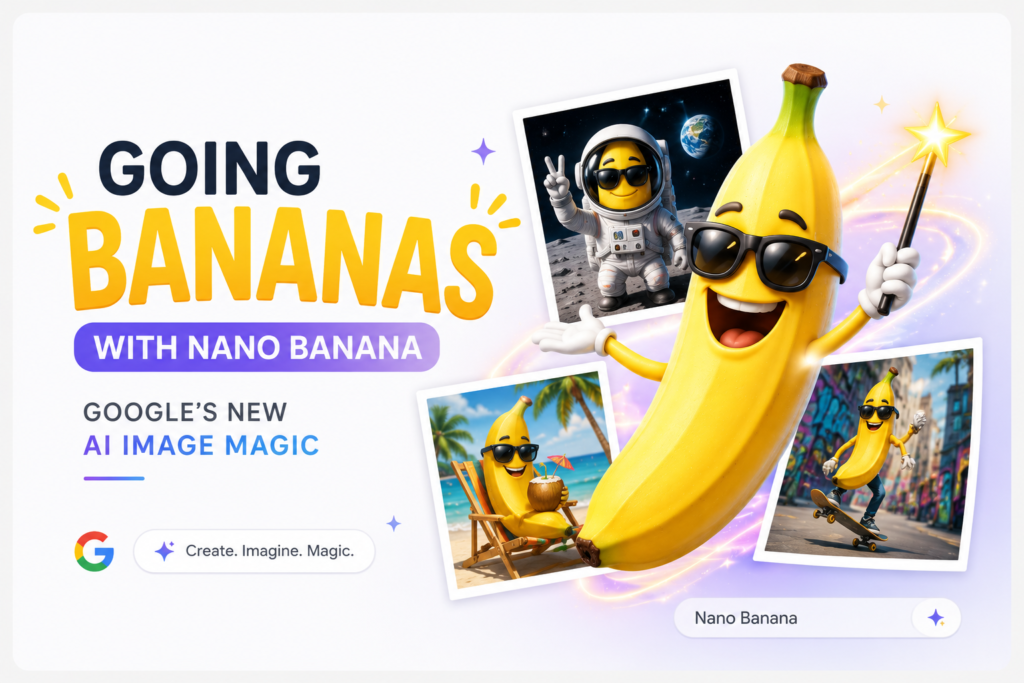
Nano Banana is Google’s latest AI-powered image editing feature – the core of the Gemini 2.5 Flash Image model developers.googleblog.com. In plain English, it lets you upload a photo and transform it via conversational prompts. Google calls Nano Banana a “state-of-the-art image generation and editing model” that can “blend multiple images into a single image, maintain character consistency, make targeted transformations using natural language” developers.googleblog.com. In other words, you give it an image (say, a selfie or a pet photo) and describe what you want changed or added, and it produces a new creation. Google even says Nano Banana “lets you turn a single photo into countless new creation.”
The AI image craze exploded in 2025. When OpenAI rolled out ChatGPT’s image tools in early 2025, users immediately created scores of Studio Ghibli–style images, flooding social media with anime-like art. This “Ghiblification” trend spread like wildfire (even overheating OpenAI’s servers), proving how fast an image AI fad can kick off. Now Google’s Nano Banana is the latest megahit. By late 2025, Gemini users had generated over half a billion images with Nano Banana worldwide”blog.google. In India alone, Google reports that brands, creators and public figures have been “flooding social media feeds” with Nano Banana creations – everything from collectible figurine images to vintage retro portraits. In short, image-generation features are evolving at warp speed. These tools weren’t born in a vacuum: rivals like OpenAI’s DALL·E 3 (in ChatGPT), Midjourney, Stable Diffusion and Adobe’s Firefly have been honing AI art for years. Industry reviews note that each tool has its specialty – for example, Midjourney is praised for “pure aesthetic punch,” DALL·E 3 for its conversational fine-tuning, and Firefly for brand-safe design assets. All of these trends show one thing: AI image generation is maturing faster than almost any other tech.
Such AI image generators have proven incredibly useful across many fields. For example:
In short, Nano Banana and its siblings turn imagination into images. For business, education and everyday creativity, they let anyone design ads, logos, art or photo edits in seconds, freeing humans to focus on ideas instead of pixels.
Let’s Have fun with some Prompt’s, why not generate the cover image of this Blog using Nano Banana.
Prompt : ”A vibrant digital artwork of a banana morphing into glowing pixels and paint strokes, symbolizing AI-powered creativity. The banana should look partly real, partly digital — as if dissolving into colourful images and artistic effects. Background can be dreamy with brushstroke textures, holographic layers, and a soft futuristic glow. The overall tone should feel imaginative and fun, appealing to a wide audience. The only written part at bottom should be Nano Banana AI in similar theme.”
You can check out the cover image generated and used from this prompt.
Let’s try something more interesting.
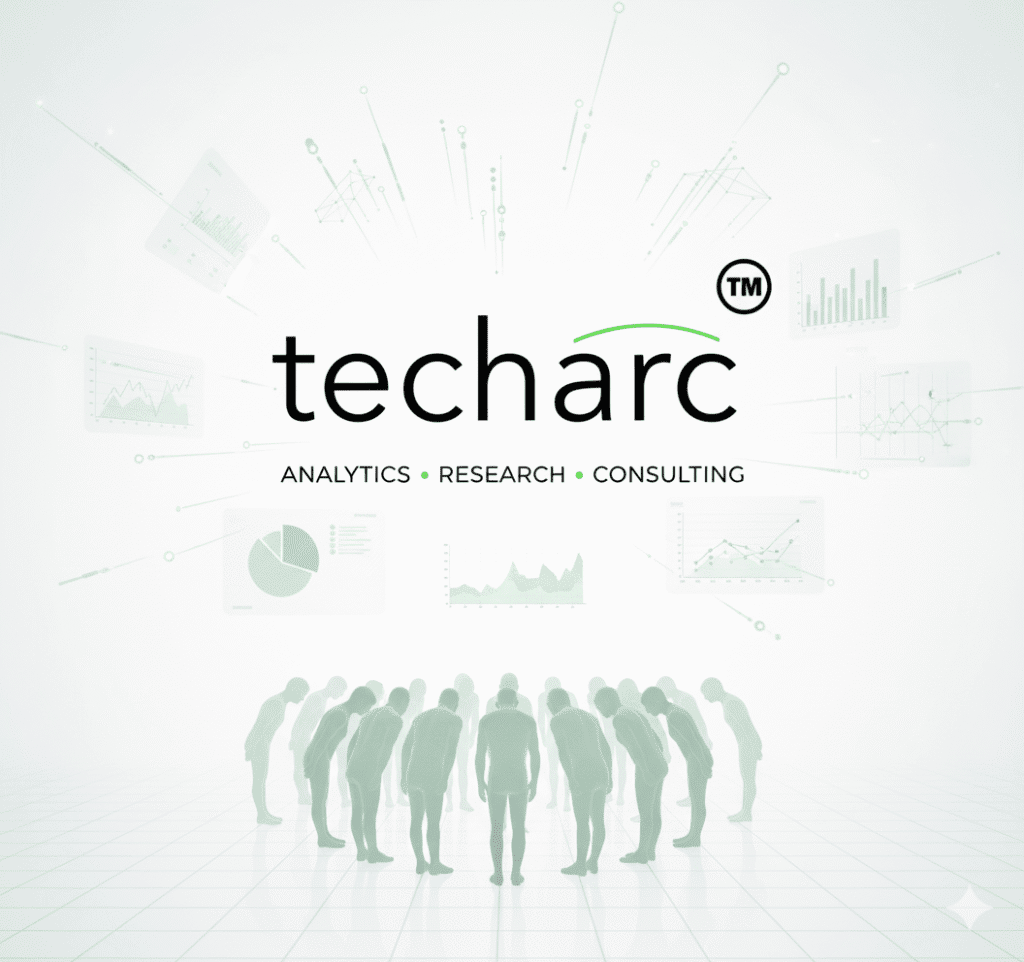
Prompt : ” A sleek, futuristic tech-themed digital artwork featuring the TechArc logo at the centre as the main focus. The entire composition should be aligned with the logo’s colour palette. Surround the logo with dynamic abstract elements like glowing data streams, holographic charts, and futuristic network grids to symbolize analytics, research, and consulting.
Use a modern, high-tech aesthetic with clean lines, and digital transparency effects to emphasize innovation, intelligence, and trustworthiness. The design should feel premium and cutting-edge, visually portraying how good TechArc is at analytics, research, and consulting services.
The final look should balance professionalism and futuristic appeal, making it ideal for advertising and branding. The image should have lighter tones with white background mainly. It should only mention services in written. It should show group of mini people bowing towards logo such that it looks a praise of excellency.”
Below is the Generated image from this prompt.
These tools are powerful, but not magic. There are important caveats:
Despite these issues, tools like Nano Banana are useful. Responsible use means checking outputs and prompts carefully, just as you’d edit any creative work.
Does this mean human creativity is doomed? Not at all. If anything, Nano Banana is fuel for our imagination. As Wired put it, AI today “can now make better art than most humans” and will “transform how we design just about everything”wired.com. The point is that AI is not a magic artist – it’s a paintbrush in human hands. It makes creation easier and faster, but it still depends on your ideas. You imagine a wild idea and prompt the AI – and it brings that idea to life with incredible detail. In this sense, AI expands what each person can create.
We have done a research regarding distributing AI into a much easy to understand framework. We call it the “ACE” framework which represents three works of AI-Assist, Create and Enhance. Like Nano Banana is a Create and Enhance Feature-To read more about it and understand AI better, read the full Techarc Report.
Of course, AI isn’t perfect. It still has quirks and biases. We saw how it might default to saris for Indian women, for instance. That reminds us that human guidance is essential: we must use these tools thoughtfully, giving feedback and refining outputs.
Ultimately, Nano Banana and its peers don’t replace our creativity – they amplify it. These “AI bananas” simply make it easier to go wild with imagination. If you have a concept or story in mind, you can now see it instantly. And that, in the end, keeps creativity moving forward, not backward – making every one of us a little more like a digital Michelangelo (but with very precise text prompts).

The weekly read on where technology is heading — 75,000+ subscribers across the industry.
Questions about our reports, dashboards, InsightsPro or a custom engagement? Send a note and the team will get back to you.