
Apple has rolled out one of the most highly anticipated features for Apple Watch users, allowing them to check and analyze their AFib History directly on their wearables. This life-saving feature is available on Apple Watch Series 4 and later for WatchOS 9 users. To unlock the full potential of this feature, it’s important to […]
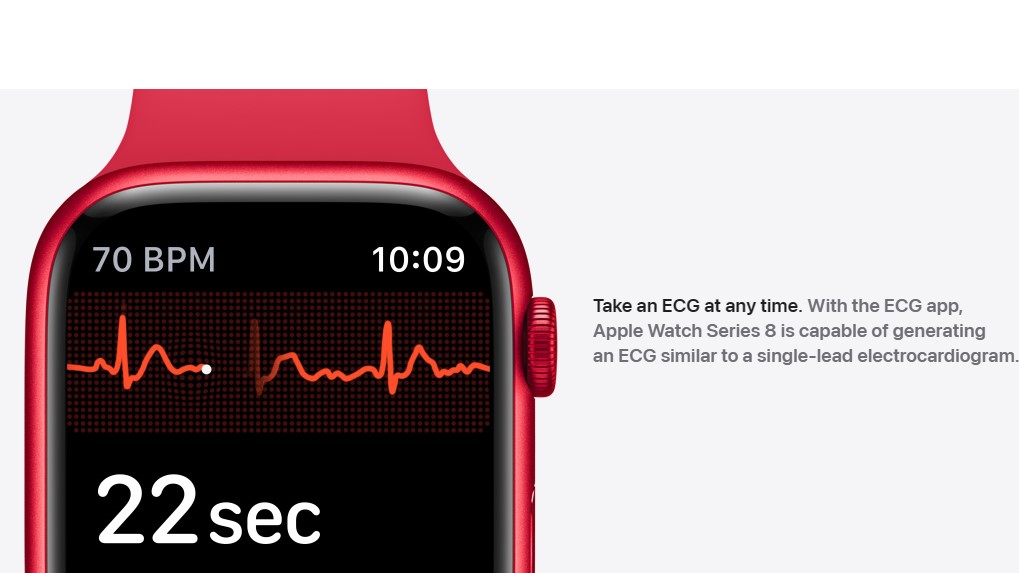
Apple has rolled out one of the most highly anticipated features for Apple Watch users, allowing them to check and analyze their AFib History directly on their wearables. This life-saving feature is available on Apple Watch Series 4 and later for WatchOS 9 users.
To unlock the full potential of this feature, it’s important to ensure that your Apple Watch meets the requirements.
The data will show the day of the week and time of day the users’ heart is most frequently showing signs of AFib. The data can be used to assess how life factors may be impacting the heart condition. It is worth noting that the AFib History Highlights are available after 6 weeks of wearing an Apple Watch as the feature requires enough readings to suggest useful data about cardio health.
Atrial fibrillation can be life-threatening if left untreated as it can lead to heart failure or blood clot formation that may lead to stroke. It is a type of irregular heart rhythm where the upper chambers of the heart beat out of sync with the lower chambers. AFib is a chronic condition, but the amount of time people spend in AFib can change. The amount of time your heart is in AFib can potentially be reduced with regular exercise, adequate sleep, a heart-healthy diet, a healthy weight, and treatment of other medical conditions that could worsen AFib.
Some individuals with AFib don’t experience any symptoms. Others experience symptoms that could include rapid heartbeat, palpitations, fatigue, or shortness of breath. It is the most common type of serious arrhythmia. Apple Watch can help you detect irregularities in the heart rhythm and can present enough data to let you study and avoid any serious damage.
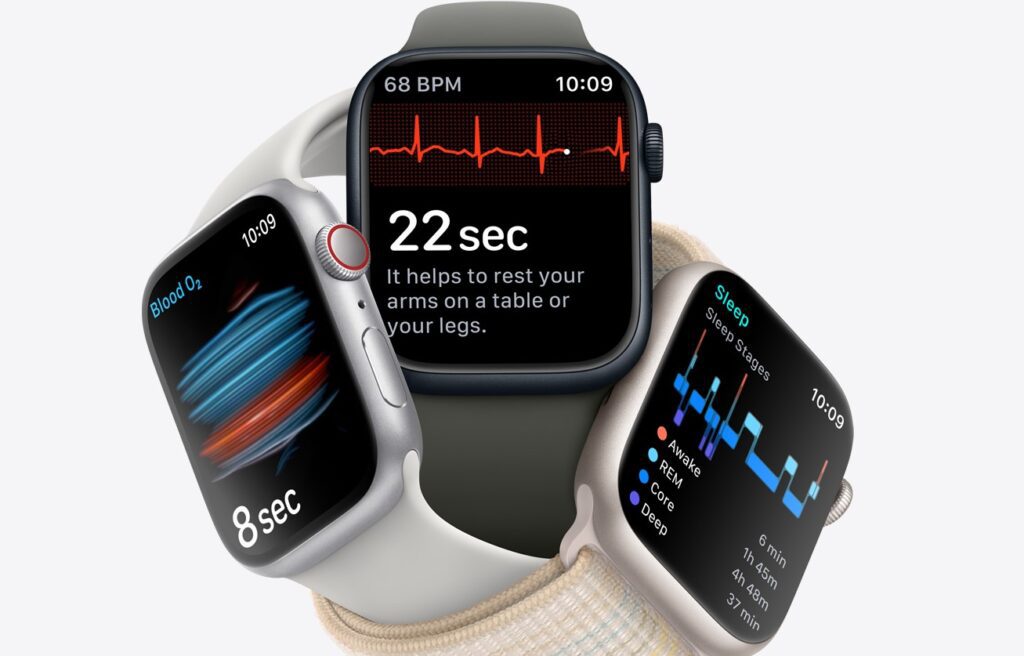
Apple Watch users can also export their AFib History data to a PDF to share it with a physician for further diagnosis of AFib. Below are the steps.
And while Apple Watch’s AFib feature can be life-saving, you must take note of the following points.

The weekly read on where technology is heading — 75,000+ subscribers across the industry.
Questions about our reports, dashboards, InsightsPro or a custom engagement? Send a note and the team will get back to you.